Body Piercings May Be Artistic, but They Bring Risks of Infection, Allergic Reactions, Scarring and Urine Leakage

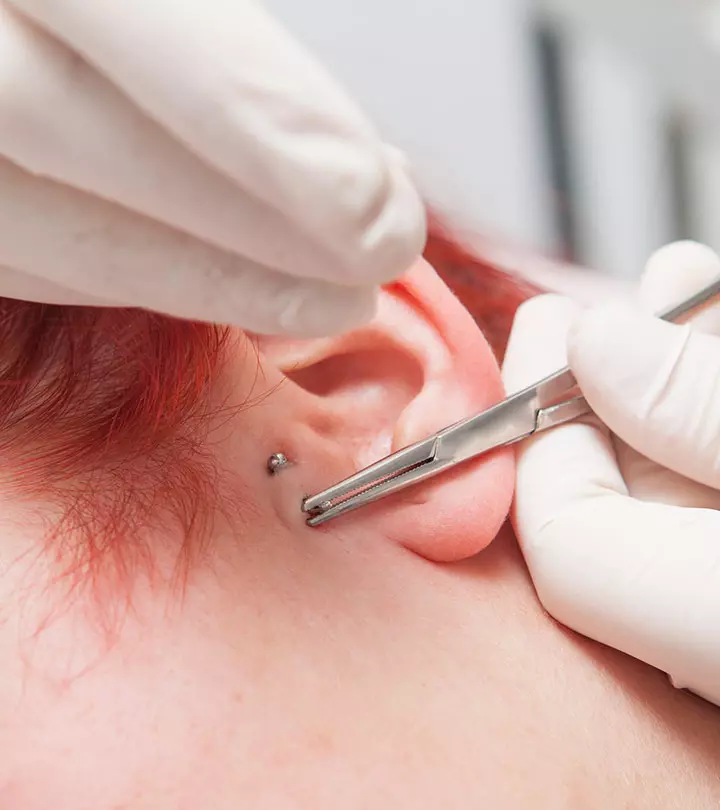
Body piercings have become a popular form of personal expression. From ears and noses to eyebrows, lips, navels, and more intimate areas, people choose piercings for cultural, aesthetic, or individual reasons. While a professionally performed piercing can often heal without major problems, piercing breaks the skin and creates an opening through which bacteria and other irritants can enter. Understanding the potential risks before getting pierced can help people make informed decisions and take appropriate care during the healing process.
Infection Is One of the Most Common Risks
Infection is a major concern after getting a body piercing. A fresh piercing is essentially a wound, so bacteria can enter if the area is touched with unwashed hands or exposed to contaminated equipment. Increasing redness, swelling, warmth, pain, pus, or an unpleasant smell may indicate an infection. In more serious cases, an untreated infection can spread beyond the piercing site and require medical treatment. Choosing a reputable professional who follows proper hygiene and sterilization procedures can significantly reduce the risk.
Allergic Reactions to Jewelry
Some people develop allergic reactions to the materials used in piercing jewelry. Nickel is a common trigger and may cause itching, redness, swelling, irritation, or a rash around the piercing. Even when the piercing itself was performed correctly, unsuitable jewelry can interfere with healing and cause persistent discomfort. People with known metal sensitivities should discuss jewelry materials with their piercer and consider options designed for sensitive skin, such as implant-grade titanium or other appropriate materials.
Scarring and Changes to the Skin
Scarring is another possible complication of body piercing. Some people develop small, raised scars known as hypertrophic scars, while others may develop keloids, which can grow beyond the original wound. The likelihood of noticeable scarring can depend on genetics, the piercing location, irritation, and how well the area heals. Repeatedly removing, twisting, or catching jewelry can also damage healing tissue and increase irritation. Anyone who develops unusual or rapidly growing scar tissue should seek professional medical advice.
Risks Associated with Genital Piercings
Piercings in intimate areas can involve additional risks because of the location and the amount of movement and friction these areas experience. Genital piercings may lead to bleeding, infection, nerve irritation, tissue damage, or problems during sexual activity. Certain piercings involving the penis can, in rare cases, cause complications such as urine leakage if underlying tissue or the urinary passage is damaged. Because of these potential complications, intimate piercings require particular care and should only be performed by highly experienced professionals using appropriate equipment and sterile techniques.
Proper Aftercare Can Support Healing
Following aftercare instructions is essential for reducing complications. Hands should be washed before touching a new piercing, and the area should be cleaned according to the piercer’s instructions. Jewelry should generally not be unnecessarily rotated or removed during the healing period. Tight clothing, excessive friction, swimming in contaminated water, and other activities that irritate the piercing may also interfere with healing. If symptoms become severe or continue to worsen, medical advice should be sought rather than relying solely on home care.
Making an Informed Choice
Body piercings can be a meaningful and attractive form of self-expression, but they are not completely risk-free. Infection, allergic reactions, scarring, tissue damage, and complications involving sensitive areas are all possible. Selecting a qualified piercer, using suitable jewelry, following proper aftercare, and understanding the specific risks associated with the chosen piercing can help reduce potential problems. Being informed before making the decision is one of the best ways to balance personal style with health and safety.