How To Buy Gold Less Tainted By Mercury

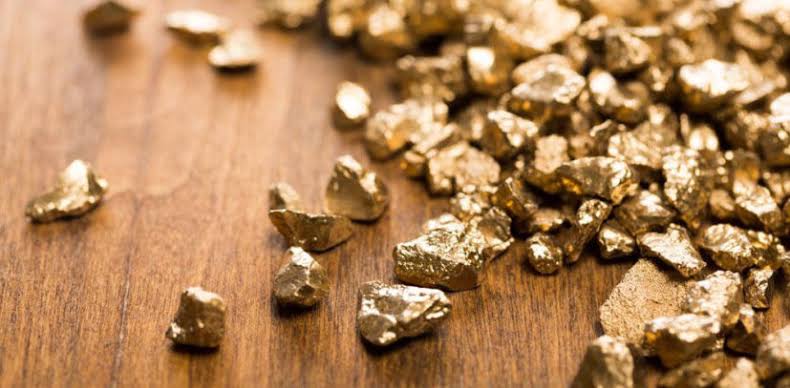
Gold has been valued for centuries for its beauty, durability, and investment potential. However, not all gold enters the market through the same processes. In some regions, mercury may be used during informal or small-scale gold recovery to separate gold from other materials. This can create environmental and occupational hazards, particularly when mercury is improperly handled. For buyers who want to make more responsible purchasing decisions, understanding how to choose gold with a lower risk of mercury contamination is important.
Understand How Mercury Can Be Used in Gold Processing
Mercury can be used in certain traditional or small-scale mining methods because it can bind with gold and form an amalgam. The gold can then be separated from other materials. During later processing, the mercury may be removed, often through heating. Poorly controlled processing can release mercury vapor into the surrounding environment and expose workers and communities to health risks. While properly refined gold is generally very different from raw gold-bearing material, consumers should still consider how and where their gold was mined and processed.
Choose Gold from Reputable Sources
One of the easiest ways to reduce concerns about mercury-related practices is to purchase gold from established and reputable dealers, jewelers, refiners, or investment providers. Ask where the gold comes from and whether the seller can provide information about its supply chain. Businesses that take responsible sourcing seriously are generally more transparent about the origin and processing of their products. Avoid purchasing gold from unknown sellers who cannot explain the source, purity, or processing history of the metal.
Look for Responsible and Traceable Gold
Traceability can make a significant difference when selecting responsibly sourced gold. Look for suppliers that participate in recognized responsible-sourcing programs or provide documentation about their supply chains. Certification does not necessarily mean that every piece of gold has a completely risk-free history, but credible sourcing standards can help reduce the likelihood that your purchase supports harmful mining practices. Recycled gold can also be an option because it uses existing metal rather than requiring newly mined material, although buyers should still verify the claims made by the supplier.
Check Purity and Documentation
When purchasing gold jewelry, coins, or bullion, check the stated purity and look for appropriate hallmarks or certification. A professional seller should be able to provide details about the gold’s fineness, weight, manufacturer or refiner, and applicable certification. For larger purchases, independent testing can provide additional assurance about the metal’s composition and authenticity. Remember that a purity mark alone does not necessarily tell you how the gold was originally mined or processed, so sourcing information remains important.
Be Careful with Informally Processed Gold
Gold sold directly by informal miners or through unverified channels may have an unclear processing history. Extremely low prices can sometimes be a warning sign, particularly when the seller cannot provide reliable information about origin or quality. Buying through established channels helps consumers avoid unknowingly supporting unsafe mining practices and makes it easier to obtain documentation about the product.
Consider Recycled Gold
Recycled gold is another choice for consumers concerned about the environmental effects of mining. Gold can be recovered from old jewelry, electronics, industrial materials, and other sources and then refined for reuse. Choosing recycled gold can reduce demand for newly mined material. However, buyers should ask the supplier how the recycled content is verified rather than relying solely on marketing claims.
Make Responsible Gold Purchasing a Priority
Buying gold responsibly involves more than checking its price and appearance. Consumers should consider the source, supply chain, refining practices, certification, and documentation before making a purchase. Choosing reputable sellers and traceable or responsibly sourced gold can help reduce the chance of supporting mining practices associated with unsafe mercury use. By asking informed questions and selecting transparent suppliers, buyers can enjoy the value of gold while making choices that better support environmental and social responsibility.